Cacao ceremony: what it is, how it works and what to expect
What a cacao ceremony is, how it unfolds, its real effects, contraindications and how to recognise a well-led ceremony before you join one.
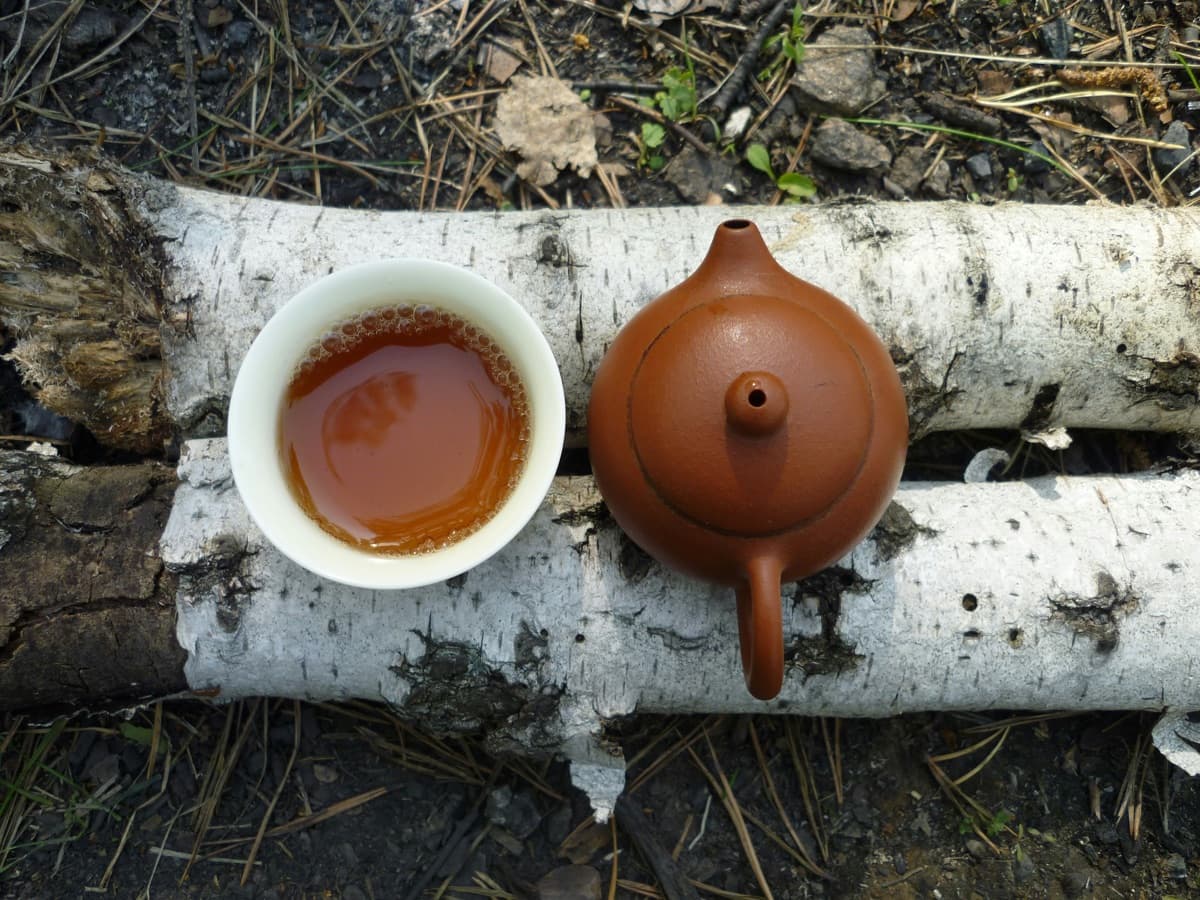
In just a few years the cacao ceremony has become one of the most widespread practices in the holistic world. You find it in yoga studios, in sharing circles, at the opening of retreats and as a ritual in its own right. It is also one of the most misunderstood practices: some describe it as a psychedelic experience, others dismiss it as hot chocolate with candles.
The truth lies in between, and it is more interesting than either version.
What ceremonial cacao is
Ceremonial cacao is pure cacao, not processed like the industrial kind. It is made from roasted and ground Theobroma cacao beans, keeping the cocoa butter, with no added sugar, milk or vegetable oils. What you drink in a ceremony is the whole cacao paste dissolved in water, not defatted cocoa powder.
The difference is not only about purity. The cocoa butter carries the active compounds, and the dose used in ceremony — usually between 30 and 45 grams — is much higher than in a cup of hot chocolate.
Where the practice comes from
Cacao has a long ritual history in Mesoamerica, among the Maya and Mexica peoples, where it was a ceremonial drink, an offering and a currency. The ceremonies held in Europe and elsewhere today are not faithful reproductions of those rites: they are a contemporary format, born in recent decades, inspired by that tradition.
It is a distinction worth keeping in mind. An honest facilitator will tell you so themselves, instead of selling the evening as an intact ancestral ritual.
What it really does
Clarity matters here, because this is where most confusion circulates.
Cacao is not a psychedelic. It does not cause hallucinations, does not alter your perception of reality, does not "open visions". Whoever tells you so is preparing you to expect the wrong thing.
What it does is subtler:
- Theobromine: a mild stimulant, related to caffeine but slower and longer-lasting. It increases peripheral circulation and gives a feeling of warmth and diffuse energy.
- Vasodilating effect: many people report a sense of opening in the chest, which in a ritual context is read as "heart opening".
- A slight effect on mood: cacao contains compounds that influence mood and alertness, to a limited extent.
On top of this — and it matters at least as much as the chemistry — there is the context: music, darkness, silence, a circle of people, a stated intention. Much of what people feel in a cacao ceremony comes from the meeting between a mildly active substance and a space built to lower defences.
Cacao does not take you anywhere. It makes it a little easier to go there yourself.
How a ceremony unfolds
Formats vary, but the underlying structure is almost always the same.
Opening
The group sits in a circle. The facilitator introduces the practice, explains what will happen and gathers intentions. There is often a short round of introductions.
Drinking
The cacao is served warm, in a cup. It is drunk slowly, usually in silence. The taste is bitter and thick, very far from sweet hot chocolate: many people do not like it the first time, and that is normal.
The central part
It takes 20 to 40 minutes before the effects are felt. This time is filled in different ways depending on who leads: guided meditation, breathing, singing, free movement, live sound, or simply silence.
Sharing
Many ceremonies close with a speaking circle where anyone who wishes can tell what they went through. Speaking is not mandatory, and a good facilitator says so explicitly.
Length and cost
A ceremony usually lasts two to three hours. The contribution requested is generally in a range comparable to an evening yoga or sound healing workshop, with noticeable variations depending on the city, the length and whether the ceremony is a one-off or part of a retreat.
Contraindications: who should be careful
Ceremonial cacao is generally well tolerated, but it is not free of interactions and the dose is high. Talk to your doctor if any of these apply to you:
- Taking antidepressants, particularly MAOIs: this is the most cited contraindication and should be taken seriously.
- Heart conditions, arrhythmias or uncontrolled high blood pressure: the stimulating and vasodilating effect affects heart rate.
- Pregnancy and breastfeeding: better to check first.
- Sensitivity to caffeine or theobromine: if a cup of coffee makes you jittery, a ceremonial dose can feel heavy.
- Migraine: in some people cacao is a trigger.
Common and generally harmless side effects: nausea (especially on a full stomach or if you drink too fast), a faster heartbeat, sweating, and in some cases an urgent need to go to the bathroom. None of these is a sign that you are "releasing something": it is your body digesting a substantial dose of cacao.
A practical detail: arrive with a light stomach, not completely fasting and not after a big meal.
How to recognise a well-led ceremony
Cacao is a low-risk practice, but the way it is led says a lot about how seriously the person guiding it takes it. Good signs:
- You are asked in advance whether you take medication or have heart problems.
- You are told how much cacao you are drinking and where it comes from.
- You are offered the option to take a smaller dose or not drink at all.
- The facilitator does not promise results and does not describe cacao as a medicine.
- Nobody pressures you to speak in the closing circle.
Warning signs:
- Cacao is described as a healer or a substitute for therapy.
- You are told your resistance is a block to overcome.
- Nobody gathers health information, not even a single question.
- The facilitator takes centre stage more than the practice.
We explored these criteria further in the guide on how to choose holistic facilitators, which applies to cacao as much as to any other ceremony.
Cacao and other practices
The cacao ceremony is often combined with something else, and it helps to know what you are signing up for:
- Cacao and sound healing: one of the most common formats. Cacao opens, sound accompanies.
- Cacao and breathwork: be careful, because combining a stimulant with intense breathing can be much stronger than you expect.
- Cacao and dance: an energetic format, suited to people who do not like sitting still.
- Cacao and sharing circle: the most intimate, centred on speaking.
If you are starting to explore, the guide to finding spiritual events in Italy can help you find your way among formats.
Frequently asked questions
Is ceremonial cacao a drug?
No. It is a food with mild stimulating effects, legal and freely available. It does not alter consciousness in a way comparable to a psychoactive substance.
Can I drive after a ceremony?
Generally yes, but check how you feel. Some people stay very activated for a few hours, others feel slowed down. If the ceremony included intense breathing, give yourself more time before getting behind the wheel.
How long do the effects last?
The stimulating effect is usually felt for three to four hours. If you are sensitive to theobromine, an evening ceremony may disturb your sleep.
Is it suitable for beginners?
Yes. It is one of the most accessible entry points into the world of ceremonies, precisely because the effect is contained and you remain fully in control.
Can I do it at home on my own?
You can drink ceremonial cacao on your own, and many people do. What changes in a circle is the collective container and the facilitation, which make up much of the value.
How is it different from supermarket cocoa?
Supermarket cocoa powder is defatted and often sweetened: the cocoa butter is missing and the concentration of active compounds is much lower. It does not produce the same effect.
Conclusion
The cacao ceremony is an accessible, low-risk practice that is surprisingly effective at creating a space for listening — as long as you arrive without inflated expectations. It is not a medicine, it is not a trip: it is a simple ritual around a bitter drink, and its strength lies precisely in that simplicity.
If you want to try it, the most useful thing is to look at who is leading before you look at the date. Explore spiritual ceremonies on Wanderer and discover holistic practitioners to understand each person's path before choosing.
