Spiritual retreats in India: how to choose yours
Yoga, meditation, silent and holistic retreats in India: the main types, where to go, when, and what to ask before you book a spiritual retreat.
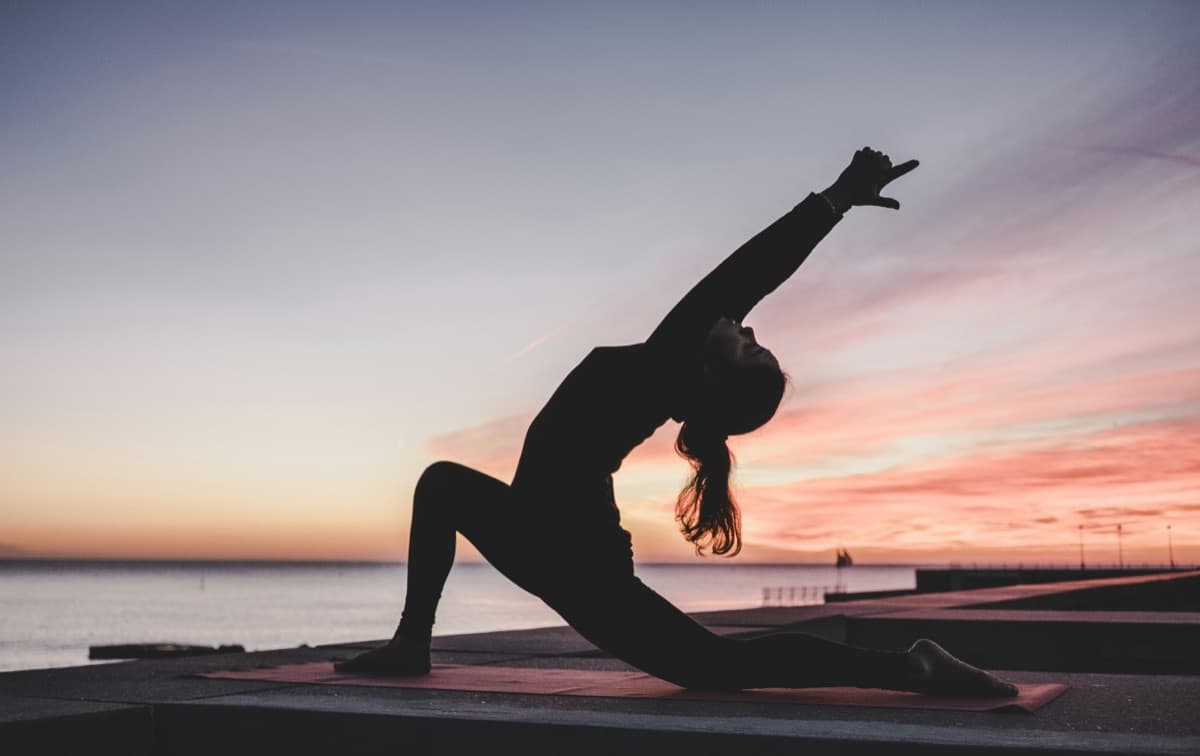
India is one of the most searched-for destinations in the world for a spiritual retreat, and for good reason: the traditions are here, the teachers are here, and the landscapes, from the Himalaya to the coast of Goa, make it easy to step out of your routine. But "spiritual retreat" can mean very different things depending on who runs it. Choosing well is the difference between days that change something in you and an expensive holiday that did not give you what you came for.
What a spiritual retreat is (and is not)
A retreat is protected time, from a weekend to several weeks, dedicated to practice, introspection and stepping away from daily life. It has an intention and a structure, usually a daily schedule, and some form of commitment to the group's process. A wellness holiday with a spa and a few optional yoga classes is something else, and that is fine, as long as you know which one you are booking.
The main types of retreat in India
Yoga retreats
Several practice sessions a day, often with philosophy, pranayama and meditation. The most accessible door for a first retreat. Rishikesh, Goa, Mysuru and Kerala are the best-known places, but good retreats exist all over the country. See yoga events in India.
Meditation and silent retreats
Full days of structured meditation, often in silence, with walking meditation and rest. Demanding at first and deeply valued by people who already have some practice. Dharamshala and the Himalayan foothills are the natural home of many of them. See meditation in India.
Ashram stays
Living for a period within an ashram's daily rhythm: early rising, chanting, seva (selfless service), study and practice. Less of a "programme", more of an immersion in a community with its own rules.
Holistic retreats
Retreats that combine different practices, such as breathwork, sound healing, dance, journaling and yoga, often around a theme. Common in Goa, Auroville and the hills near Bengaluru, Mumbai and Pune.
Ayurveda-informed retreats
Retreats where food, daily routine and sometimes treatments follow Ayurvedic principles, usually in the south. If treatments are included, ask who provides them and with what qualifications.
When to go
For most of the country, October to March is the most comfortable season. The Himalayan regions are best from March to June and in autumn; the monsoon makes travel there harder. Goa's retreat season runs roughly from November to April.
Questions to ask before you book
- Who leads it, and for how long have they held this practice? Look for a public history of past retreats.
- What does a typical day look like? A detailed schedule is a good sign.
- What is included? Accommodation, food, transfers, materials.
- How do they handle health and safety? Especially for intensive breathwork, long silence or fasting.
- What happens if you need to leave early? Ask about refunds before you pay.
- Is the group size clear? Twelve people and sixty people are two different retreats.
Be wary of retreats that promise healing of medical conditions, pressure you to decide quickly, or are vague about who will actually be teaching.
Find a retreat in India
On Wanderer you can browse spiritual retreats in India and see the profile of whoever leads each one, with their past retreats and gatherings.
If you run retreats in India, you can publish them for free with their own page, dates, places and bookings, and share one link for everything you offer.
