
Yoga studio software: how to choose
What a yoga studio platform really needs: events, bookings, teacher profiles and SEO. A practical guide for anyone running a studio or a yoga school.
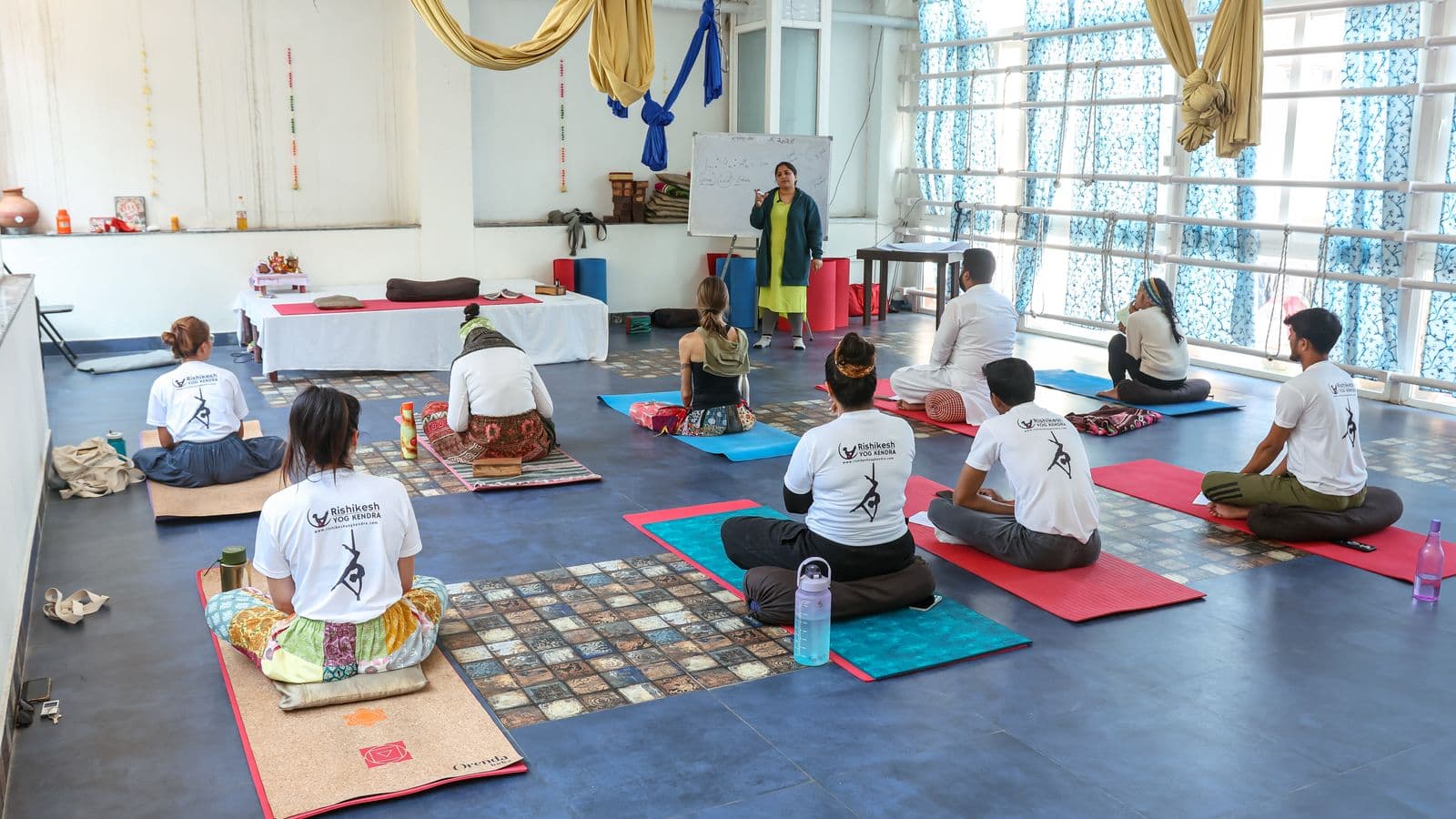
If you run a yoga studio, you probably already know the problem: classes are organised on a shared calendar, bookings arrive over WhatsApp, the website has not changed since 2019 and nobody finds you on Google. A yoga studio platform should solve exactly this — but not all of them do it the same way, and understanding what you really need before choosing saves you months of wasted work.
This guide lists what a platform designed for a yoga studio should have, what you can safely ignore, and how to tell a serious tool from a brochure site dressed up as management software.
What a yoga studio platform really needs to do
Not all features carry the same weight. These are the ones that make the difference in daily practice:
- A public events calendar, with single classes and recurring courses visible without having to message anyone to find out the times.
- A profile for every teacher, with bio, disciplines taught and history of classes held — useful both for the trust of newcomers and for your domain's SEO.
- Management of places and confirmations, so you know in advance how many people are coming to each class, without chasing scattered messages.
- A contact book, to see who comes back regularly and who has not shown up in months — information you probably only keep in your head today.
- A real SEO structure: sitemap, pages by city and discipline, correct metadata. A beautiful site that is invisible on Google does not bring you new people.
What you can ignore, at least at the start
You do not need a full ERP to open a yoga studio. Invoicing, accounting and stock management stay with the tools you probably already use (your accountant, your tax software). Looking for an all-in-one often means paying for modules you will never use.
Build from scratch or start from an existing platform?
A custom site costs time and budget that almost no yoga studio can afford to invest at the start without knowing whether it will work. The concrete alternatives are two:
- A static site, cheap but with no booking logic, profiles or structured SEO: it stays a shop window.
- A ready-made whitelabel platform, which you bring onto your domain with your brand, without having to build events, calendar and SEO from scratch.
A yoga studio does not need to reinvent technology: it needs technology that works for it, quickly and without surprises.
Wanderer Studio was born for exactly this: it is the same platform we use for spiritual and holistic events, made available as whitelabel for yoga studios, schools and practitioners. It is modular — you switch on only events, or also bookings, community and multilingual, depending on what you really need.
Bookings: what to expect and what not to
Many yoga studios look for a platform that also handles takings. It is a legitimate request, but it is worth being clear: a platform that processes payments also takes on fees, tax compliance and responsibilities that weigh on the final price.
A leaner compromise, often better suited to a small or medium studio, is a platform that manages places and confirmations, and lets you show your bank details, PayPal or a direct payment link on every event. The money always stays yours alone, with no intermediaries.
Your own domain matters more than you think
A yoga studio that only publishes on external directories (Facebook groups, event marketplaces) builds visibility that does not belong to it: if the platform changes its rules or disappears, your traffic disappears too. Having a platform on your own domain, with SEO structure cared for from day one, is an investment that keeps paying back over time, class after class, year after year.
Yoga studio management software: questions to ask before choosing
Before signing up for any software, ask these questions. The answers tell you more than any feature list.
- Can people see the schedule without signing up? If the calendar sits behind a login, whoever finds you on Google leaves.
- Does every class, workshop or retreat have its own page? Those are the pages Google indexes. A calendar on a single screen does not rank.
- Can I take my domain and my contacts with me if I change my mind? If the answer is no, the community you build is not really yours.
- How long does it take teachers to publish an event? If it takes more than a few minutes, the calendar will stop being kept up to date.
- What happens when a class is full? The software should close confirmations on its own, without you replying to every message.
Frequently asked questions about yoga studio software
What is the difference between yoga studio software and a yoga studio website?
The website shows who you are. The management software organises the work: calendar, places, confirmations, contacts. A platform like Wanderer Studio brings the two together on your own domain, so every event you publish is also a page people can find on Google.
Is management software worth it for a small yoga school?
Yes, perhaps most of all. With a few teachers and a few classes a week, the time spent answering messages weighs more. It is worth starting from the essential modules, events and bookings, and adding the rest only when you need it.
Can I use it for workshops and retreats, not just classes?
You should be able to. Workshops, intensive days and retreats are the events that bring in new people and the ones people search for most online. If this format interests you, read the guide on how to organise a yoga retreat with a platform too.
How much does yoga studio software cost?
It depends on how it is built. Subscription software often has a monthly fee that grows with the number of members or teachers; a modular platform costs according to the pieces you switch on and how much customisation you need. Before comparing prices, compare what you actually need today: paying for ten features and using two is the most common cost. Wanderer Studio has no fixed price list: we talk numbers, clearly, on the first call.
Software for a yoga studio or for a holistic centre: does anything change?
Not much, in substance. A yoga studio has more recurring classes; a holistic centre has more one-off events, sessions and different practitioners. Both need a calendar, bookings, profiles of whoever leads and a contact list. It is worth choosing a tool that handles classes and events equally well, so you do not need a second one the day you run your first workshop.
Conclusion
Choosing a platform for your yoga studio does not mean looking for the one with the most features on paper, but the one that solves the problems you have today — calendar, bookings, visibility — without forcing you to pay for what you will never use.
If you want to see how a modular platform also designed for yoga studios and schools works in practice, have a look at Wanderer Studio: you can browse the available modules and, if it makes sense for your business, talk to us with no commitment.